Building Your Go to Market Engine: From Customer Zero to Scalable Growth
Moving beyond your initial launch requires building a systematic go to market engine. This guide shows micro-SaaS founders how to create repeatable processes that turn customer acquisition into a predictable growth machine.
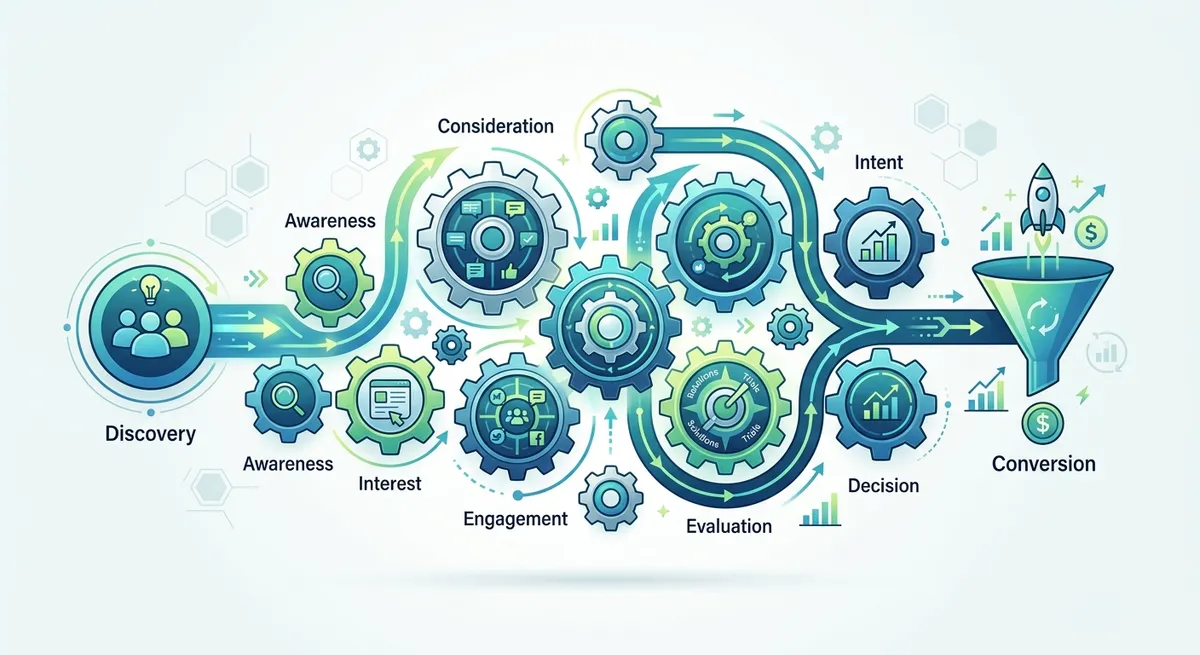
Building a go to market engine isn't about executing a single launch—it's about creating a systematic, repeatable process that consistently brings the right customers to your micro-SaaS. While most founders focus on getting their first customers, the real challenge is building sustainable systems that scale beyond those initial wins.
Think of your go to market engine as the operating system for your customer acquisition. It's the collection of processes, channels, and feedback loops that work together to identify, attract, convert, and retain customers at scale.
What Makes a Go to Market Engine Different
A traditional go to market strategy is often a one-time plan for launching a product. An engine, however, is built for continuous operation and optimization.
Your engine has three core components: customer intelligence systems that help you understand who to target, acquisition mechanisms that bring prospects into your funnel, and feedback loops that help you optimize everything over time.
The beauty of an engine approach is that it's designed to get better with time. Each customer interaction provides data that improves your targeting. Every campaign teaches you something about your messaging. Each conversion helps you refine your process.
Building Your Customer Intelligence System
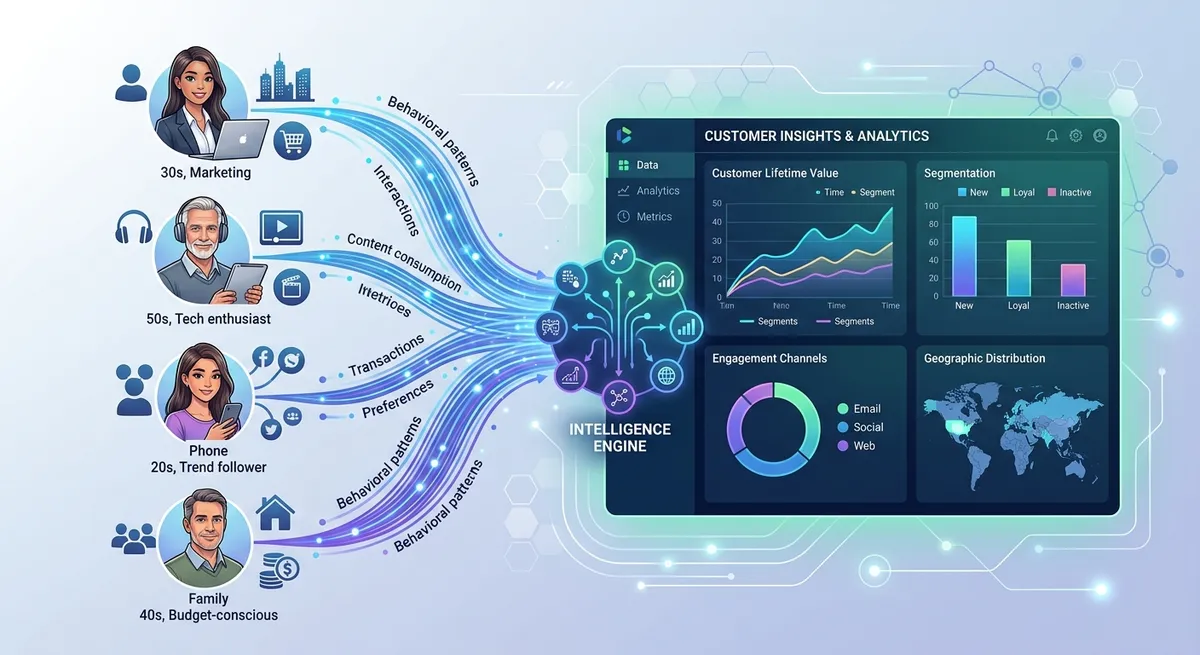
Your engine starts with deep customer understanding. This goes beyond basic demographics to include behavioral patterns, decision-making processes, and the specific triggers that drive purchase decisions.
Start by analyzing your existing customers—even if you only have five. Look for patterns in how they found you, what convinced them to try your product, and how they use it. Pay special attention to the customers who get the most value, as these reveal your ideal customer profile.
Create detailed customer avatars that include not just who they are, but how they behave online. Where do they spend time? What content do they consume? How do they prefer to learn about new tools? This intelligence becomes the foundation for everything else in your engine.
Set up systems to continuously gather this intelligence. Regular customer interviews, usage analytics, and feedback surveys should feed into an evolving understanding of your market.
Designing Your Multi-Channel Acquisition Framework
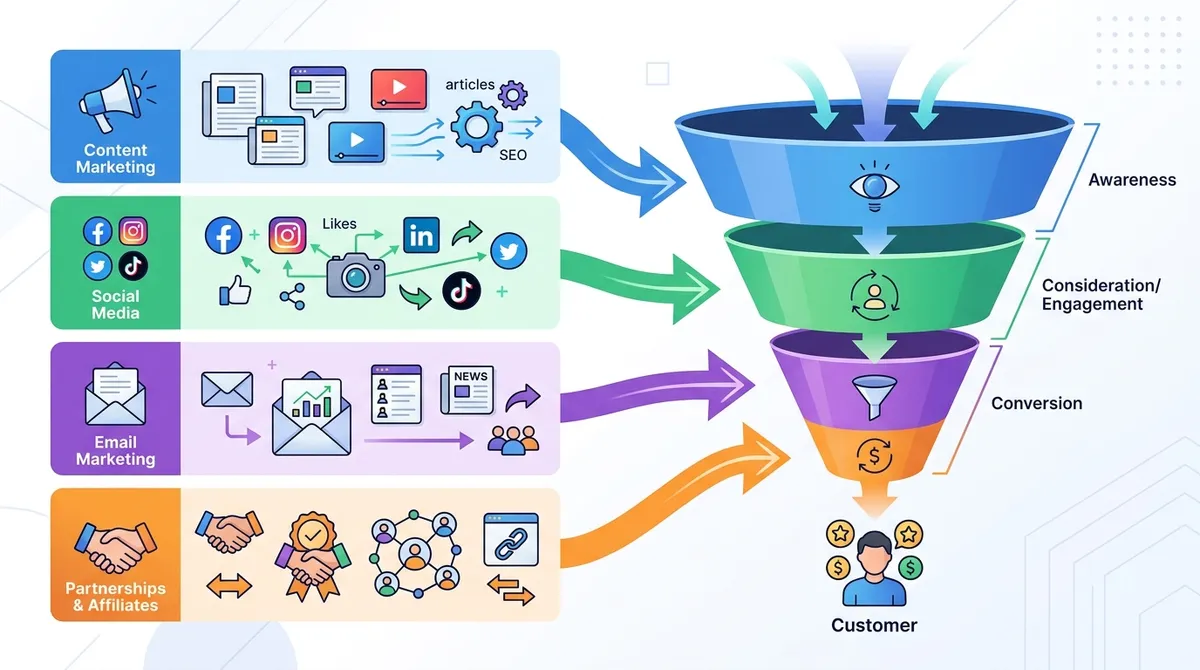
With solid customer intelligence, you can build your acquisition framework. This isn't about being everywhere—it's about being strategic with your market channels based on where your customers actually spend time.
Start with owned channels you can control completely. Your website, email list, and content become the foundation. These channels compound over time and don't depend on external platforms or algorithms.
Then layer in earned channels where others amplify your message. This might include partnerships with complementary tools, guest content on relevant platforms, or community participation where your customers gather.
Finally, add paid channels for predictable, scalable growth. The key is testing systematically, measuring carefully, and doubling down on what works while cutting what doesn't.
Creating Content That Drives Your Engine
Content is the fuel that powers most successful go to market engines for micro-SaaS. But not all content is created equal—your content needs to serve specific functions in your engine.
Educational content builds trust and demonstrates expertise. Create resources that help your prospects solve problems related to your product category. This positions you as a helpful expert before they're ready to buy.
Social proof content showcases real customer success stories. Case studies, testimonials, and usage examples help prospects envision success with your product. This content is particularly powerful for marketing for saas because it addresses the inherent skepticism around new tools.
Comparison content helps prospects evaluate options. Since your customers are likely considering alternatives, create honest, helpful comparisons that position your strengths while acknowledging your ideal use cases.
Set up content distribution systems that work automatically. Email sequences, social media scheduling, and content syndication help you maintain consistent presence without constant manual work.
Optimizing Your Conversion Systems
Your engine needs to convert interest into customers efficiently. This means optimizing every step from initial awareness to paying customer.
Map out your complete customer journey and identify friction points. Where do prospects drop off? What questions aren't being answered? What steps feel unnecessarily complicated?
Create multiple conversion paths for different customer preferences. Some prospects want to try before buying, others prefer to see detailed demos, and still others want to talk to a human. Your engine should accommodate these different preferences.
Implement progressive profiling to learn more about prospects over time. Instead of asking for everything upfront, gradually collect information as prospects engage more deeply with your content and product.

Building Feedback Loops for Continuous Improvement
What separates a true engine from a collection of marketing activities is the feedback system that drives continuous optimization.
Set up measurement systems that track the metrics that matter. This goes beyond vanity metrics to include leading indicators like qualified prospect generation, trial-to-paid conversion rates, and customer lifetime value.
Create regular review processes to analyze what's working and what isn't. Monthly deep dives into your data help you spot trends and opportunities before they become problems.
Establish customer feedback channels that inform your go to market approach. Regular conversations with customers reveal new use cases, competitive threats, and market opportunities that should influence your engine.
Test systematically rather than randomly. Each test should have a clear hypothesis, success criteria, and timeline. This disciplined approach helps you learn faster and avoid the trap of constantly changing tactics without learning.
Scaling Your Engine for Sustainable Growth
As your engine proves successful, you'll need to scale it without losing effectiveness. This requires building processes and potentially bringing in team members.
Document your successful processes so they can be repeated and taught to others. What works for you manually can often be systematized or delegated as you grow.
Invest in tools and automation that multiply your efforts. Marketing automation platforms, customer relationship management systems, and analytics tools help you manage complexity as you scale.
Plan for the resources you'll need at different growth stages. Understanding when you'll need additional team members, tools, or budget helps you scale smoothly rather than hitting unexpected bottlenecks.
Key Takeaways
• A go to market engine differs from a strategy by focusing on repeatable, scalable processes rather than one-time launch tactics • Customer intelligence systems provide the foundation for all other engine components by revealing who to target and how to reach them effectively • Multi-channel acquisition frameworks work best when they combine owned, earned, and paid channels strategically based on customer behavior • Content serves as engine fuel when it educates prospects, provides social proof, and helps with decision-making at different journey stages • Conversion optimization requires mapping the complete customer journey and creating multiple paths that accommodate different prospect preferences • Feedback loops enable continuous improvement by connecting customer insights to measurable business outcomes • Scaling requires systematic documentation, appropriate tooling, and resource planning to maintain effectiveness as you grow